Buy darios.eu ?
We are moving the project
darios.eu .
Are you interested in purchasing the domain
darios.eu ?
domain@kv-gmbh.de · 0541-91531010
Buy darios.eu ?
What does il, una, and la mean in Italian?
In Italian, "il" is the masculine singular definite article meaning "the" before a singular masculine noun. "Una" is the feminine singular indefinite article meaning "a" or "an" before a singular feminine noun. "La" is the feminine singular definite article meaning "the" before a singular feminine noun. **
What is the difference between "la" and "il" in Italian?
In Italian, "la" is the feminine singular definite article, used before feminine singular nouns, while "il" is the masculine singular definite article, used before masculine singular nouns. The choice between "la" and "il" depends on the gender of the noun being referred to. For example, "la casa" (the house) uses the feminine article "la" because "casa" is a feminine noun, while "il libro" (the book) uses the masculine article "il" because "libro" is a masculine noun. **

Similar search terms for Il
Top-Angebote
Products related to Il:
-
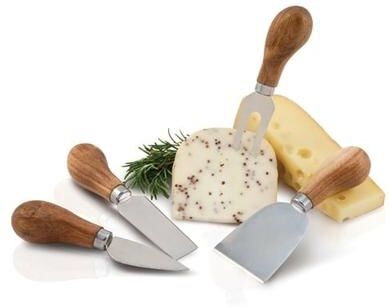
Twine Rustic Farmhouse: Gourmet Cheese KnivesThe Rustic Farmhouse Gourmet Cheese Set is a beautiful collection of four assorted cheese tools. With stainless steel blades and rustic elegant acacia wood handles, this handsome set is perfect for entertaining, gift-giving and picnics!23,19 $*Shipping: 0,00 $Secure redirect to the provider
-
Sospiro Il Padrino EDP U 100 mlSospiro Il Padrino, 100 ml, Eaux de Parfum unisex, No matter how high you set your goals, you can achieve every single one of them. Sospiro Il Padrino Eau de Parfum for men will give you the proper dose of resolve you need. It only takes a few drops for you to find the courage and take another step towards your dreams. woody fragrance oriental fragrance brings out your sex-appeal and natural masculinity warm fragrance, ideal for cold weather152,00 £*Shipping: 3,99 £Secure redirect to the provider


-
What is the difference between il faut que and il faut?
"Il faut" is used to express a general necessity or obligation, while "il faut que" is used to introduce a specific action or event that is necessary or required. For example, "il faut manger" means "it is necessary to eat" in a general sense, while "il faut que tu manges" means "you need to eat" in a specific sense. "Il faut" is used to make a general statement about what is necessary, while "il faut que" is used to specify what needs to be done. **
-
When do you use il faut and il ne faut pas?
"Il faut" is used to express what is necessary or required, while "il ne faut pas" is used to express what is not allowed or should be avoided. For example, you would use "il faut" to say "il faut étudier pour réussir" (it is necessary to study to succeed), and "il ne faut pas" to say "il ne faut pas fumer dans ce lieu" (smoking is not allowed in this place). These expressions are used to give advice, make recommendations, or set rules. **
-
Why is it souhaite-t-il and not souhaite-s-il?
In French, the pronoun "il" (he) is combined with the verb "souhaiter" (to wish) to form the phrase "souhaite-t-il" because of the rule of verb inversion in interrogative sentences. When forming a question in French, the subject pronoun and the verb are inverted, so "souhaite-t-il" follows this rule. The "t" is added to create a liaison between the verb and the pronoun, making the pronunciation smoother. **
-
How does "il faut" work in French?
"Il faut" is a common expression in French that is used to convey the idea of necessity or obligation. It is followed by an infinitive verb and is used to express what needs to be done or what is necessary in a given situation. For example, "Il faut manger" means "It is necessary to eat." This expression is used to give advice, make suggestions, or express general truths. **

What comes after il faudrait in French?
In French, "il faudrait" is followed by the infinitive form of a verb. This construction is used to express a suggestion or a polite request. For example, "il faudrait partir tôt" means "it would be necessary to leave early." **
What is an El, Sl, and Il?
An El, Sl, and Il are all suffixes used in the English language to form adjectives. "El" is used to form adjectives that mean "pertaining to" or "characterized by," such as in the word "musical." "Sl" is used to form adjectives that mean "tending to" or "inclined to," such as in the word "careful." "Il" is used to form adjectives that mean "having the nature of" or "capable of," such as in the word "flexible." These suffixes help to create new adjectives by modifying the meaning of the base word. **
Top-Angebote
Products related to Il:
-
Twine Rustic Farmhouse: Gourmet Cheese KnivesThe Rustic Farmhouse Gourmet Cheese Set is a beautiful collection of four assorted cheese tools. With stainless steel blades and rustic elegant acacia wood handles, this handsome set is perfect for entertaining, gift-giving and picnics!23,19 $*Shipping: 0,00 $Secure redirect to the provider
-
What does il, una, and la mean in Italian?
In Italian, "il" is the masculine singular definite article meaning "the" before a singular masculine noun. "Una" is the feminine singular indefinite article meaning "a" or "an" before a singular feminine noun. "La" is the feminine singular definite article meaning "the" before a singular feminine noun. **
-
What is the difference between "la" and "il" in Italian?
In Italian, "la" is the feminine singular definite article, used before feminine singular nouns, while "il" is the masculine singular definite article, used before masculine singular nouns. The choice between "la" and "il" depends on the gender of the noun being referred to. For example, "la casa" (the house) uses the feminine article "la" because "casa" is a feminine noun, while "il libro" (the book) uses the masculine article "il" because "libro" is a masculine noun. **
-
What is the difference between il faut que and il faut?
"Il faut" is used to express a general necessity or obligation, while "il faut que" is used to introduce a specific action or event that is necessary or required. For example, "il faut manger" means "it is necessary to eat" in a general sense, while "il faut que tu manges" means "you need to eat" in a specific sense. "Il faut" is used to make a general statement about what is necessary, while "il faut que" is used to specify what needs to be done. **
-
When do you use il faut and il ne faut pas?
"Il faut" is used to express what is necessary or required, while "il ne faut pas" is used to express what is not allowed or should be avoided. For example, you would use "il faut" to say "il faut étudier pour réussir" (it is necessary to study to succeed), and "il ne faut pas" to say "il ne faut pas fumer dans ce lieu" (smoking is not allowed in this place). These expressions are used to give advice, make recommendations, or set rules. **
Similar search terms for Il
-
Sospiro Il Padrino EDP U 100 mlSospiro Il Padrino, 100 ml, Eaux de Parfum unisex, No matter how high you set your goals, you can achieve every single one of them. Sospiro Il Padrino Eau de Parfum for men will give you the proper dose of resolve you need. It only takes a few drops for you to find the courage and take another step towards your dreams. woody fragrance oriental fragrance brings out your sex-appeal and natural masculinity warm fragrance, ideal for cold weather152,00 £*Shipping: 3,99 £Secure redirect to the provider
-
Il Caffe Alessi Set of 4 Coffee SpoonsElevate your coffee ritual with this charming set of four heart-shaped coffee spoons, designed for Alessi by the renowned Miriam Mirri. Crafted from premium 18/10 stainless steel, each spoon boasts a stunning mirror-polished finish that adds a touch of sophistication to your table setting. These spoons are not just functional, they're miniature works of art, perfect for entertaining guests over an afternoon coffee or as a thoughtful gift for a loved one. Dimensions: 8.8 (H) x 1.9 (W) x 13.5 (L) cm. Weight: 0.091kg.21,38 £*Shipping: 3,50 £Secure redirect to the provider
-
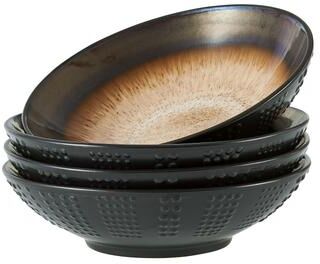
Mikasa Gourmet Basics Gourmet Basics by Mikasa Set of 4 Verona Pasta Bowl, 26 OzDrawing inspiration from the beautiful patterns of nature, this Verona Set of 4 Pasta Bowls by Mikasa features a combination of speckles, dots, and linear striations in rich earth tones.42,32 $*Shipping: 0,00 $Secure redirect to the provider
-
Why is it souhaite-t-il and not souhaite-s-il?
In French, the pronoun "il" (he) is combined with the verb "souhaiter" (to wish) to form the phrase "souhaite-t-il" because of the rule of verb inversion in interrogative sentences. When forming a question in French, the subject pronoun and the verb are inverted, so "souhaite-t-il" follows this rule. The "t" is added to create a liaison between the verb and the pronoun, making the pronunciation smoother. **
-
How does "il faut" work in French?
"Il faut" is a common expression in French that is used to convey the idea of necessity or obligation. It is followed by an infinitive verb and is used to express what needs to be done or what is necessary in a given situation. For example, "Il faut manger" means "It is necessary to eat." This expression is used to give advice, make suggestions, or express general truths. **
-
What comes after il faudrait in French?
In French, "il faudrait" is followed by the infinitive form of a verb. This construction is used to express a suggestion or a polite request. For example, "il faudrait partir tôt" means "it would be necessary to leave early." **
-
What is an El, Sl, and Il?
An El, Sl, and Il are all suffixes used in the English language to form adjectives. "El" is used to form adjectives that mean "pertaining to" or "characterized by," such as in the word "musical." "Sl" is used to form adjectives that mean "tending to" or "inclined to," such as in the word "careful." "Il" is used to form adjectives that mean "having the nature of" or "capable of," such as in the word "flexible." These suffixes help to create new adjectives by modifying the meaning of the base word. **
* All prices are inclusive of VAT and, if applicable, plus shipping costs. The offer information is based on the details provided by the respective shop and is updated through automated processes. Real-time updates do not occur, so deviations can occur in individual cases. ** Note: Parts of this content were created by AI.